
Expert Picks For Air Vent Replacement Solutions That Boost Ventilation
Find the most effective air vent products chosen by professionals to upgrade your home's air circulation system.
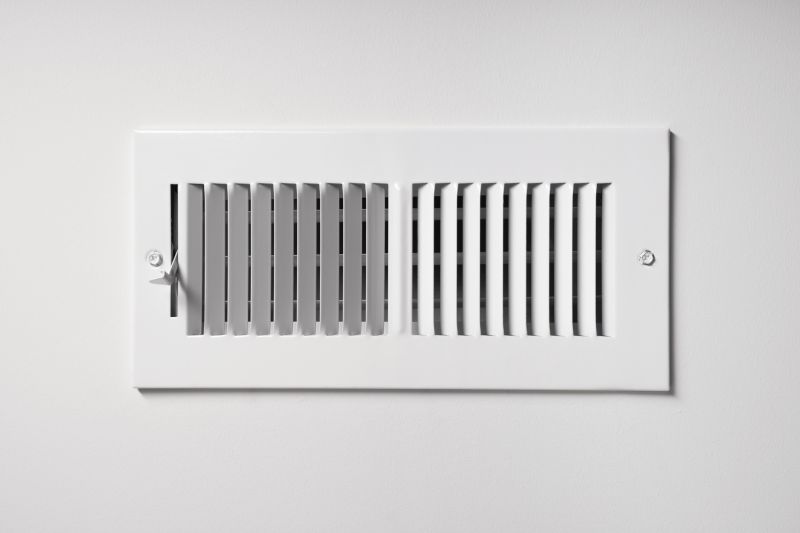 Air vent replacements are essential components for maintaining proper airflow and ventilation within residential and commercial spaces. Selecting the right product can enhance air circulation, improve indoor air quality, and ensure the efficient operation of heating, ventilation, and air conditioning (HVAC) systems. When considering replacement options, it is important to evaluate compatibility with existing ductwork, ease of installation, and durability. Many vent replacements come in various styles, sizes, and materials to suit different architectural and functional needs.
Top Overall Option
Adjustable Air Vent Grille
An adjustable air vent grille offers versatile control over airflow direction and volume, making it suitable for various room configurations. Its durable construction and easy installation process make it a popular choice for both DIY enthusiasts and professionals. Designed to fit standard duct openings, it provides a seamless look while allowing for customization of airflow as needed.
Types of Products For Air Vent Replacements
Adjustable Vent Grilles
Vents that allow for manual control of airflow direction and volume, ideal for personalized comfort and ventilation management.
Fixed Grilles
Non-adjustable vents that provide a permanent opening for air passage, often used for aesthetic purposes.
Diffusers
Vents designed to distribute air evenly across large spaces, enhancing comfort and airflow consistency.
Registers
Vents with adjustable louvers that allow for airflow control, commonly used in heating and cooling systems.
Return Air Grilles
Vents placed to facilitate air return to the HVAC system, often larger and designed for efficient airflow.
Ceiling Vents
Vents installed in ceilings to facilitate airflow in larger or multi-story spaces.
Wall Vents
Vents mounted on walls to improve airflow in specific areas or rooms.
Floor Vents
Vents installed in floors, commonly used in heating systems or for specific ventilation needs.
Louvered Vents
Vents with horizontal or vertical slats that can be adjusted to control airflow direction.
Decorative Vents
Vents designed with aesthetic appeal, available in various finishes and patterns to complement interior decor.
Plastic Vents
Lightweight and corrosion-resistant vents suitable for various applications and easy to install.
Metal Vents
Durable vents made from aluminum or steel, offering strength and longevity for heavy-duty use.
Custom Size Vents
Vents available in specific dimensions to fit non-standard duct openings or unique spaces.
High-Flow Vents
Designed to maximize airflow, suitable for large or high-capacity ventilation systems.
Noise-Reducing Vents
Vents engineered to minimize operational noise, enhancing comfort in quiet environments.
Popular Choices
Flexible vents that allow manual adjustment of airflow, widely used in various settings.
Ceiling-mounted diffusers that help distribute air evenly across large spaces.
Wall-mounted vents with adjustable louvers for directional airflow control.
Floor vents with aesthetic designs that blend with interior decor while providing ventilation.
Affordable, lightweight return air grilles suitable for various applications.
Durable metal vents designed for ceiling installation, offering longevity and strength.
Vents with adjustable louvers for fine-tuning airflow in heating and cooling systems.
Square-shaped vents suitable for wall mounting, providing a modern appearance.
Diffusers designed to support high airflow requirements in large spaces.
Vents engineered to operate with minimal noise, ideal for bedrooms and quiet zones.
Diffusers tailored to specific dimensions for unique installation needs.
Floor vents with adjustable louvers for directed airflow and ventilation control.
Ceiling vents designed with decorative elements to enhance interior aesthetics.
Lightweight diffusers made from plastic, suitable for various applications.
Heavy-duty metal vents with adjustable louvers for durable airflow management.
Properly chosen air vent replacements can also contribute to aesthetic improvements, offering a cleaner and more streamlined appearance in interior spaces. The variety of available products includes adjustable vents, fixed grilles, diffusers, and registers, each serving specific purposes. Adjustable vents allow for directional control of airflow, while fixed grilles provide a more permanent solution. Diffusers help distribute air evenly across larger areas, and registers offer customizable airflow adjustments.
Installation methods vary from simple snap-in designs to more complex mounting systems requiring tools and hardware. Ensuring a tight fit and proper sealing can prevent air leaks and improve system efficiency. Material choices range from plastic and aluminum to steel, with each offering different levels of strength and resistance to wear. Selecting the right air vent replacement involves balancing functionality, aesthetic preferences, and budget considerations.
Overall, investing in quality air vent replacements can contribute to a more comfortable indoor environment and potentially reduce energy costs by optimizing airflow. Whether upgrading an existing system or installing new vents during construction, understanding the different product options and their features can help in making an informed decision tailored to specific needs.
Key Buying Considerations
- Compatibility with existing duct sizes and configurations
- Material durability and resistance to corrosion or wear
- Ease of installation and whether tools or professional help are needed
- Adjustability features for controlling airflow direction and volume
- Aesthetic design and how well it complements interior decor
- Type of vent (fixed, adjustable, diffuser, register) suited to your needs
- Size options to fit specific duct openings or space requirements
- Noise levels during operation, especially for bedrooms or quiet zones
- Material weight and ease of handling during installation
- Cost and overall budget considerations
- Maintenance requirements and ease of cleaning
- Ventilation efficiency to ensure proper airflow distribution
- Compatibility with heating, cooling, or ventilation systems
- Availability of customization options for unique spaces
- Compliance with relevant building codes or standards